
No Products in the Cart
Common Salutations: 7 Most Common Scenarios and How to Choose the Right Opener


Common Salutations: 7 Most Common Scenarios and How to Choose the Right Opener
In professional communication, the opening line sets the tone for everything that follows. Whether writing business emails, handwritten notes, or formal letters, using the right salutation helps create a positive impression and shows respect for the recipient. These opening greetings may seem small, but they play a major role in how a message is received and interpreted.

In today’s digital age, people exchange messages constantly through daily communications such as emails, contact forms, and professional correspondence. Because of this volume, thoughtful common salutations help a message stand out and avoid sounding careless or impersonal. A well-chosen greeting signals professionalism, attention to context, and an understanding of proper etiquette.
This guide breaks down the seven most common salutation scenarios encountered in business and professional settings. It explains how to choose the right greeting based on context, formality, and the relationship with the recipient, helping every message start on the right note.
WHY COMMON SALUTATIONS MATTER IN BUSINESS CORRESPONDENCE?
Salutations are more than polite formalities. In business correspondence, they establish the tone of the message before the reader even reaches the main content. A professional salutation helps communicate respect, reinforces a business relationship, and supports clear, effective communication.
Using the wrong greeting can unintentionally weaken a message. Being overly formal can feel distant, while being too casual may come across as unprofessional. Choosing the right greeting shows awareness of context and helps align the message with the expectations of the recipient. This is especially important when communicating with clients, colleagues, or external partners for the first time.
In professional settings, salutations alsoinfluence customer experience and long-term relationships. When messages begin with appropriate greetings, recipients are more likely to feel acknowledged and respected. This attention to detail reflects strong professional communication skills and helps ensure that the message is received positively.
7 MOST COMMON SALUTATION SCENARIOS
1. Thanking a New Client or Vendor

A new business relationship sets expectations for future communication. Using the right salutation helps create a positive impression and shows respect from the start.
For new clients or vendors, a professional salutation is usually the safest choice. Starting with “Dear” followed by the recipient’s full name or job title reflects proper etiquette and keeps the tone appropriate.
Avoid generic greetings that make the recipient feel like just another contact. A personalized salutation supports professional communication and strengthens the foundation of the business relationship.
Example Salutations for New Clients or Vendors
When writing to an individual, always use their name. Greetings such as “Dear Mr. Lee” or “Dear Dr. Patel” demonstrate care and professionalism.
If the message is for an organization, referencing the company name is acceptable. This keeps the greeting professional without sounding impersonal.
2. Touching Base After a First-Time Business Meeting

Following up after a business meeting helps maintain momentum. The salutation should acknowledge familiarity while keeping a professional tone.
In most cases, “Dear” followed by the recipient’s name works well for email salutations and handwritten notes. It signals respect without sounding overly formal.
Choosing the right greeting in this context supports clear communication and helps reinforce the new connection.
Following Up Without Sounding Overly Formal
Avoid greetings that feel stiff if the meeting was conversational. At the same time, overly casual salutations may reduce professionalism.
Match the greeting to the tone of the meeting. This balance helps strengthen the business relationship and keeps communication comfortable.
3. Congratulating a High-Performing Employee
Recognizing an employee’s success starts with the right salutation. Internal messages often allow more flexibility, but respect should always be maintained.
In formal workplaces, using “Dear” followed by the employee’s name is appropriate. In relaxed environments, informal greetings like “Hi” or “Hello” may be acceptable.
The goal is to align the greeting with company culture while maintaining a professional tone.
Internal vs External Salutation Tone
Internal communication can be more casual than external correspondence. Messages to clients or partners usually require greater formality.
Understanding this distinction helps maintain consistency and supports effective professional communication.
4. Thanking a Customer
Thanking a customer is a key part of professional communication. The salutation should reflect respect and reinforce the value of the business relationship.
Always address the customer by name when possible. Using a proper salutation helps avoid sounding generic and shows the customer they are not just a number.
A well-chosen greeting supports customer experience, strengthens trust, and leaves a positive impression.
Why Using the Customer’s Name Matters?
Using a customer’s name adds a personal touch to business correspondence. It helps customers feel acknowledged and respected.
Generic greetings can weaken appreciation messages. A personalized salutation makes the thank-you feel genuine and intentional.
Seel Also: 4 Ways to Send a Client Appreciation Letter Effectively
5. Contacting a Venue or Organization
When contacting a venue or organization, the salutation depends on how much information is available. If the recipient is unknown, formality becomes more important.
In these cases, using an appropriate salutation such as “To whom it may concern” is acceptable. It keeps the message professional and clear.
If the contact person is known, always use their name. This shows attention to detail and proper etiquette.
When “To Whom It May Concern” Is Acceptable?
This salutation works when the recipient cannot be identified. It is still common in formal business correspondence.
However, when a name is available, using it helps avoid sounding old fashioned or impersonal.
6. Reaching Out to Potential Customers
Reaching out to potential customers requires careful consideration of tone. The right salutation helps set expectations and builds credibility.
For targeted outreach, using “Dear” with the recipient’s name creates a professional opening. For broader campaigns, a neutral greeting may be more appropriate.
Avoid overly casual salutations that reduce professionalism. The goal is to sound respectful, clear, and relevant to the context.
Targeted vs Untargeted Outreach
Targeted messages benefit from personalized salutations. They help establish trust and encourage engagement.
Untargeted outreach should remain professional without assumptions. Choosing the right greeting helps avoid common pitfalls and keeps communication effective.
7. Reaching Out to Potential Investors
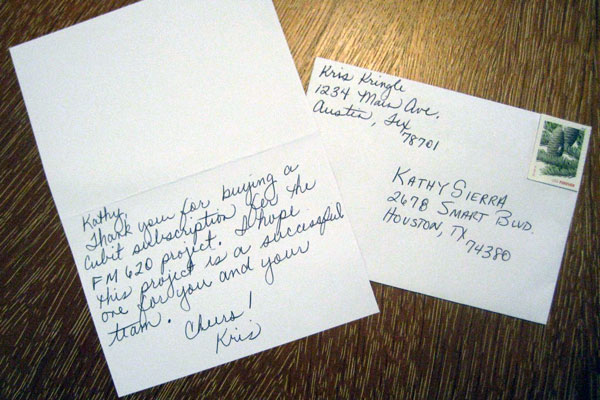
Reaching out to potential investors requires a formal and respectful approach. The salutation should immediately signal professionalism and seriousness.
Using formal email salutations such as “Dear Mr.,” “Dear Ms.,” or “Dear Dr.” followed by the recipient’s last name is recommended. Titles should be used when relevant, especially in formal emails and professional correspondence.
An appropriate salutation in this context helps create a positive impression and shows respect for the recipient’s role and time.
Using Titles and Job Roles Correctly
Always double check the recipient’s job title before writing. Using the correct title reflects attention to detail and proper etiquette.
If no title is available, default to a formal greeting rather than sounding overly familiar.
APPROPRIATE SALUTATION: HOW CONTEXT DETERMINES THE RIGHT CHOICE?
There is no single greeting that works in every situation. An appropriate salutation depends on several factors, including who the recipient is, the nature of the message, and the level of formality required. Understanding context is essential to choosing the right salutation and avoiding common pitfalls.
Matching Salutations to the Recipient
The recipient plays a central role in determining the right greeting. Addressing someone by their full name, job title, or preferred form of address shows care and professionalism. When possible,
It is best to use the name the person has introduced themselves with rather than making assumptions. This approach helps avoid addressing the wrong person or using an incorrect title.
Avoiding One-Size-Fits-All Greetings
Generic greetings may feel safe, but they often reduce the personal impact of a message. Taking a moment to double-check the recipient, context, and purpose of the communication helps ensure the salutation feels intentional rather than automatic.
Choosing the right salutation reinforces respect, clarity, and professionalism, key elements of effective business communication.
FORMAL SALUTATIONS VS INFORMAL SALUTATION: UNDERSTANDING THE DIFFERENCE
Choosing between formal salutations and an informal salutation depends largely on formality, relationship, and communication context. In professional settings, the wrong level of formality can weaken a message before it is even read.
Formal salutations are commonly used in business correspondence, formal emails, cover letters, and first-time communication. They help establish credibility, show respect, and maintain a professional tone. Examples include greetings that begin with “Dear” followed by a full name, job title, or professional designation.
Informal salutations, on the other hand, are more conversational and are typically reserved for close colleagues, friendly relationships, or ongoing daily communications. While informal greetings can sound approachable, they should be used carefully to avoid appearing overly casual or unprofessional.
Understanding the difference between formal and informal greetings allows writers to choose the right salutation and ensure their message aligns with expectations.
When Formal Salutations Are Required?
Formal salutations are best suited for situations where professionalism and structure matter most. These include formal emails, external business communication, job applications, and initial contact with clients or partners. In these contexts, greetings such as “Dear Mr.,” “Dear Dr.,” or “Dear [Full Name]” help convey seriousness and respect.
Using a formal salutation is especially important when the recipient holds a specific job title or professional role. Addressing someone correctly demonstrates attention to detail and reinforces proper etiquette. In many cases, being slightly more formal is safer than risking an overly familiar tone.
Formal salutations also help avoid misunderstandings in sensitive or high-stakes communication, such as contract discussions or investor outreach.
When Informal Greetings Are Acceptable?
Informal greetings work well when a friendly relationship has already been established. In internal communication, team messages, or conversations with close colleagues, greetings like “Hi,” “Hello,” or even “Good morning” can sound natural and approachable.
These informal greetings are often appropriate in relaxed environments or companies with a laid back culture. However, it is still important to maintain professionalism. Informal does not mean careless, and greetings should never undermine respect or clarity.
Before using an informal salutation, consider the recipient, the message, and the context. When used correctly, casual salutations can strengthen communication and make messages feel more personal without sacrificing professionalism.
SEE Also: 7 Thank You Letter Closings
EMAIL SALUTATIONS VS LETTER SALUTATIONS
Email salutations differ slightly from letter salutations due to speed and frequency of communication. Business emails often allow for slightly more flexibility, but professionalism should remain consistent.
In professional email communication, greetings such as “Dear,” “Hello,” or “Good morning” are commonly acceptable depending on formality and context.
Handwritten letters and formal correspondence typically require more structured salutations to maintain a professional tone.

Never forget sending a Birthday card again with Simply Noteds Birthday Automation tool. Set it and forget it and wait for your friends, family and colleagues to thank you!

Everything You Wanted to Know About Bulk Mailing in 2020
March 13, 2020

Best Software for Making and Mailing Greeting Cards
March 05, 2020

Why Use a Handmade Greeting Card Service?
February 22, 2020
Companies we've worked with


 Get your first card FREE!

Join our email list and receive your first card free.
Ready to start writing?

AI Message Assistant
Type in words or a phrase to use our AI Assistant to
help generate a great message.
Characters Remaining: 450
Loading...